Denvir’s of Downpatrick: The Perfect Base for Walkers and Explorers in County Down


 Latest Story
Denvir’s of Downpatrick: The Perfect Base for Walkers and Explorers in County Down
Would you like to sponsor this article?
February in the Mournes offers something special.
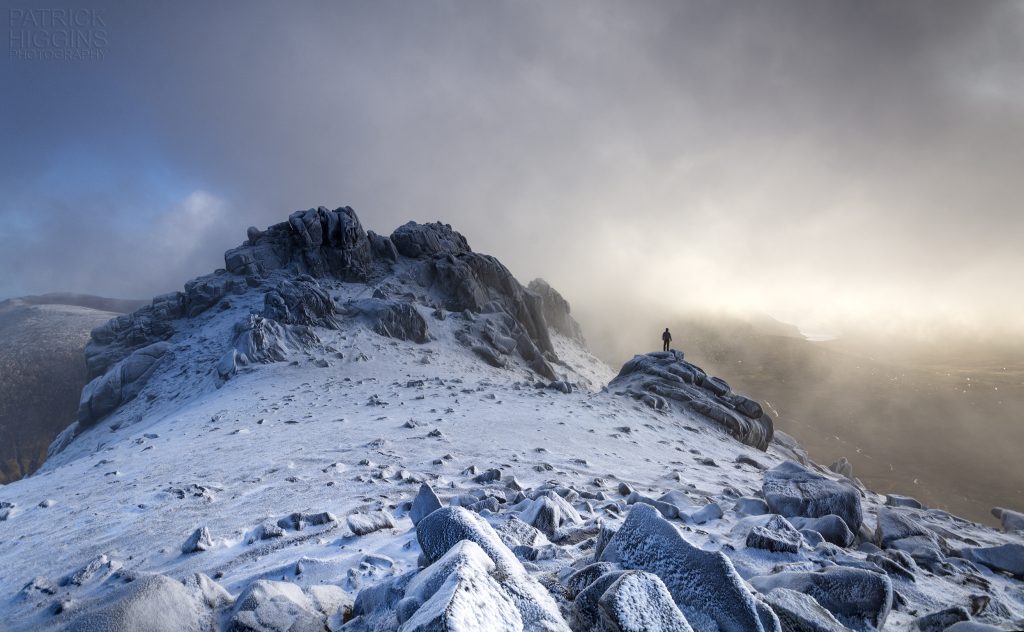
It’s a landscape caught between seasons, where frost-kissed granite tors glisten under pale winter sun and the mountains wear their most dramatic faces.
While shorter days and changeable weather demand respect, late winter brings crystal-clear visibility, fewer crowds, and the satisfaction of earning your summit views through genuine effort.
Here are five medium-difficulty routes that showcase the best of the Mournes in this distinctive season.
Starting from Carrick Little car park near Annalong, this circular route ascends to Slieve Binnian, the third-highest peak at 747 metres.
The well-maintained stony path follows the Mourne Wall upward, and while the climb is sustained, it never feels overwhelming.
The real magic happens at the summit, where you’ll traverse between the spectacular North and South Tors – dramatic granite outcrops that look particularly striking when rimmed with wintery ice.
The descent passes the beautiful Blue Lough before winding past what remains of Annalong Forest.
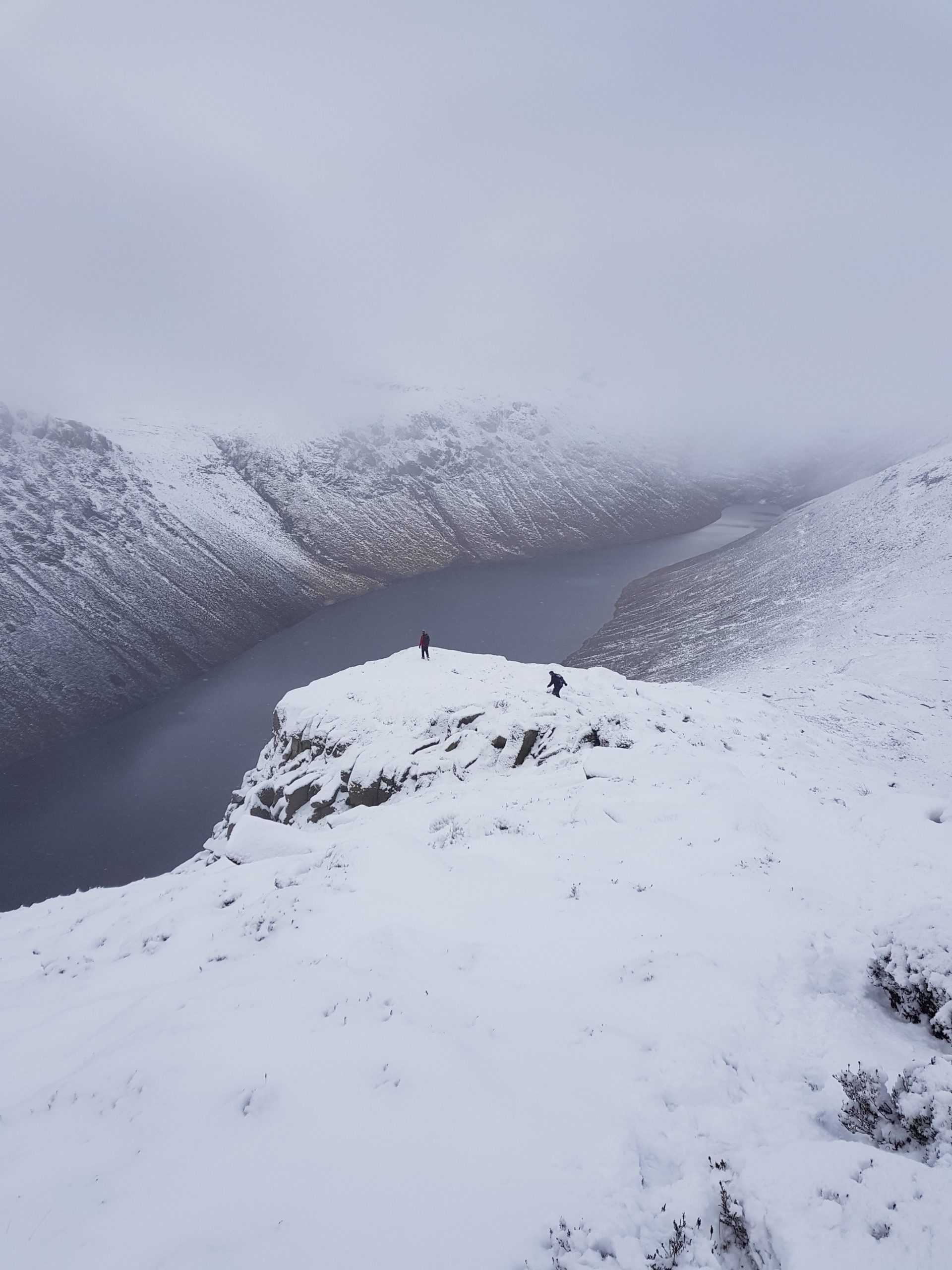
Views include the Silent Valley and Ben Crom Reservoirs with towering summits beyond. In winter, waterproofs and crampons may be necessary if ice is present.
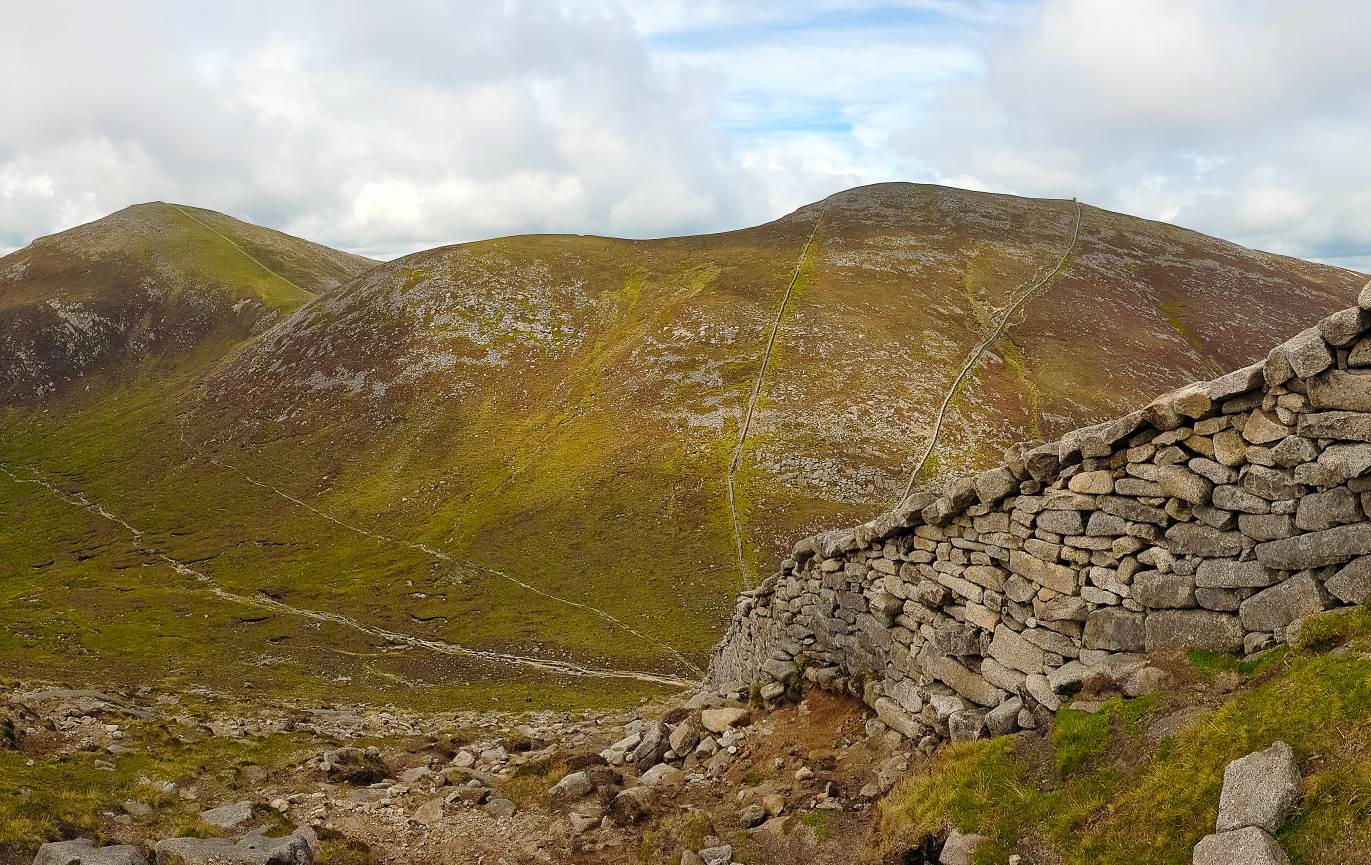
This route from Trassey car park takes in two distinctive peaks in a single outing.
Slieve Bearnagh stands out immediately – it’s one of the most recognisable mountains in the Mournes, known for granite tors crowning its 739-metre summit.
The path climbs through Hare’s Gap, a historic mountain pass once used by smugglers, before tackling the rocky scramble to Bearnagh’s tor-studded top.
Continue to Slieve Meelmore (704m) before descending through the aptly named Happy Valley.
The circuit uses the Mourne Wall as a handrail on higher sections, which proves invaluable when winter mist rolls in unexpectedly.
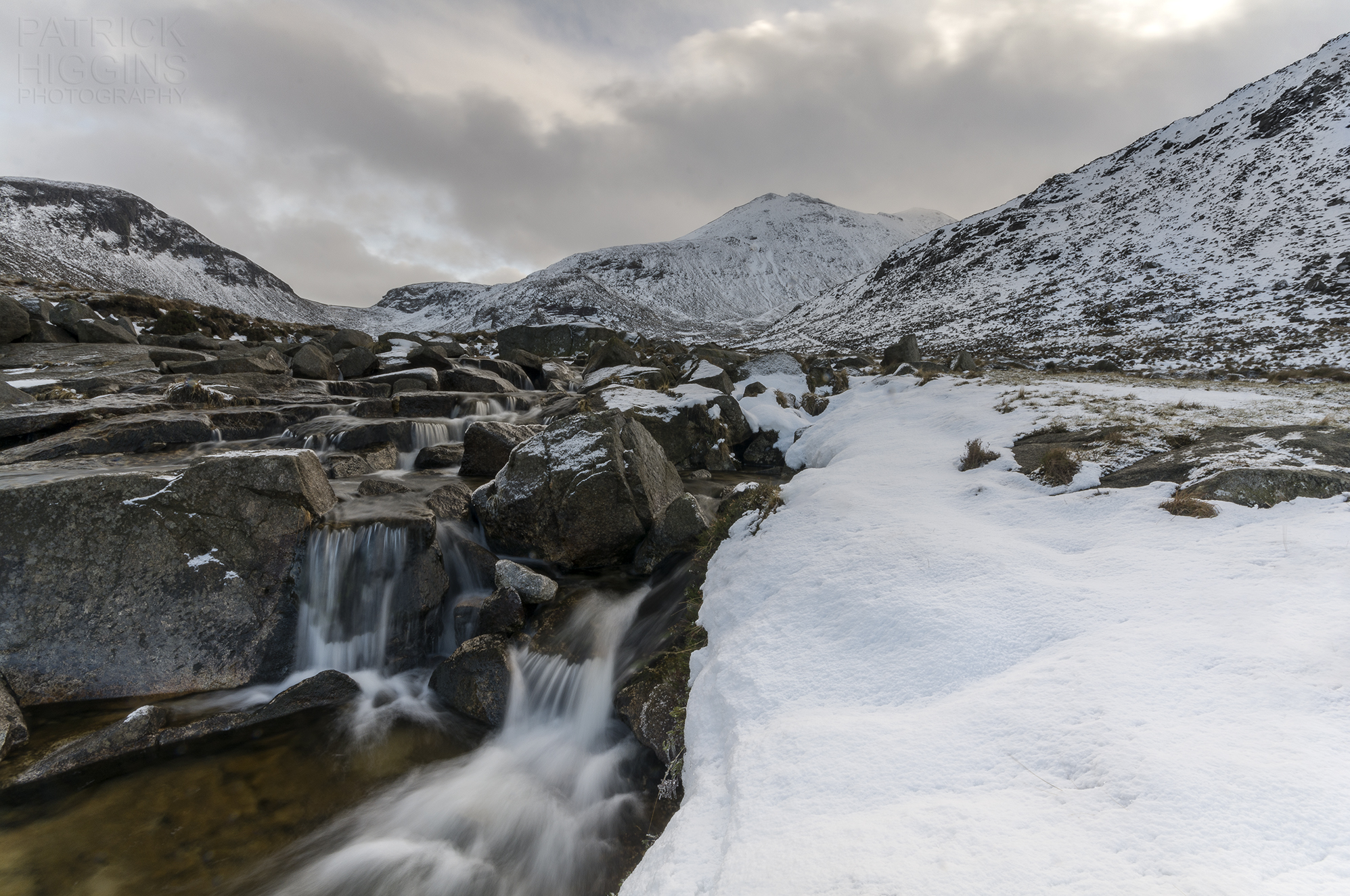
For those chasing a taste of high mountain scenery without committing to a full summit, Hare’s Gap delivers magnificently.
This dramatic mountain pass rewards you with one of Ireland’s most unique views.
The ascent from Trassey car park follows a well-defined track with steady but manageable gradient – the route should be very doable for most with a decent level of fitness.
Standing in the gap itself, flanked by towering peaks on either side, is genuinely awe-inspiring. Winter’s low sun casts long shadows across the valley, creating constantly shifting patterns of light.
The return journey follows the same path, allowing you to appreciate views you might have missed while concentrating on the ascent.
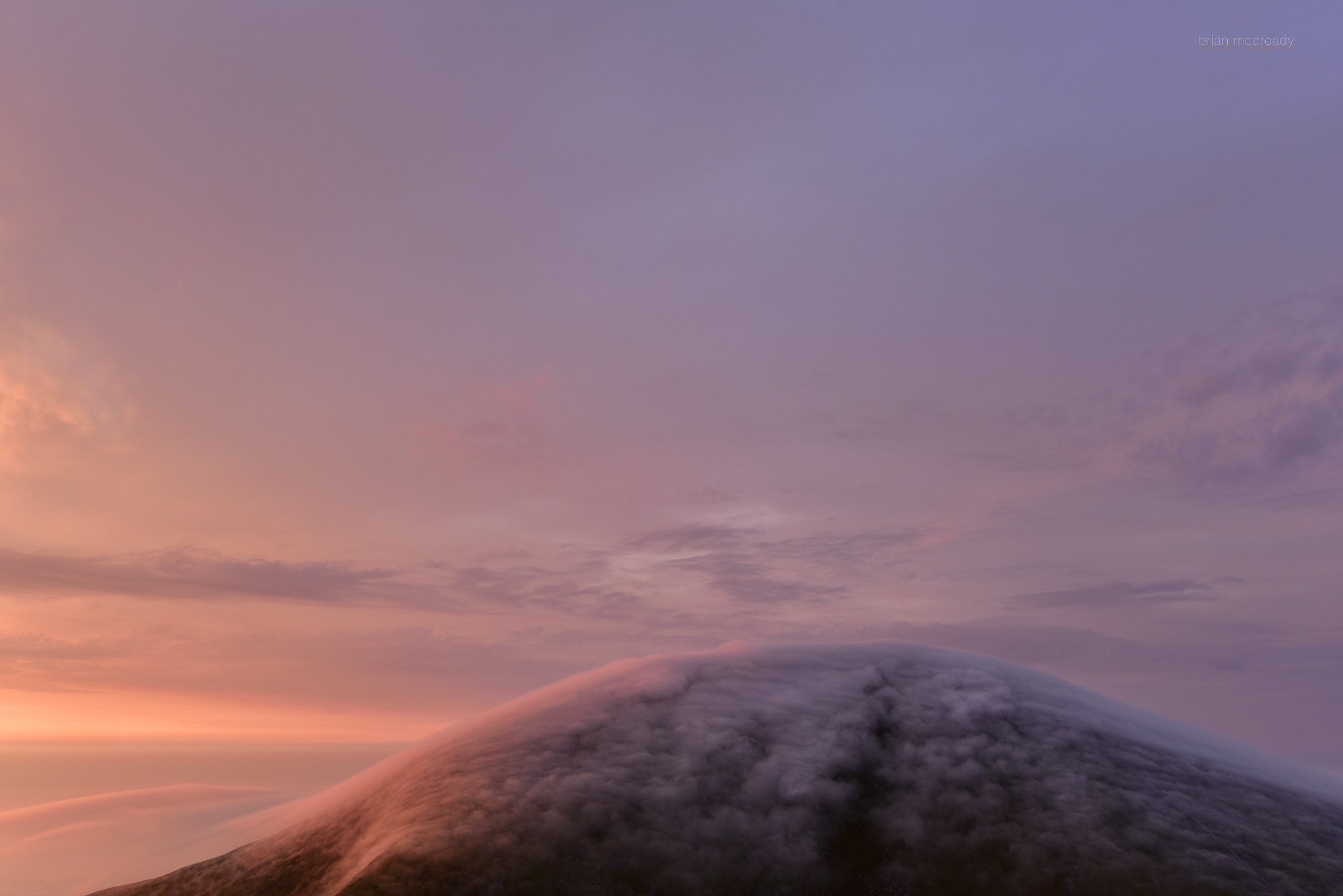
Northern Ireland’s highest summit, Slieve Donard reaches 850 metres (2,789 feet).
The Glen River path from Donard Park in Newcastle is the most popular route for good reason – it’s well-maintained, clearly marked, and extraordinarily scenic.
The path follows the rushing river before climbing to the saddle between Donard and Slieve Commedagh, where it meets the Mourne Wall for the final push to the summit.
On clear February days, the views are exceptional – the Irish Sea sparkles to the east while the entire range spreads out around you.
Be warned: the summit can be brutal in winter winds, so proper layering is essential. Watch for false summits – several rocky outcrops look deceptively like the top before you reach the actual cairn.
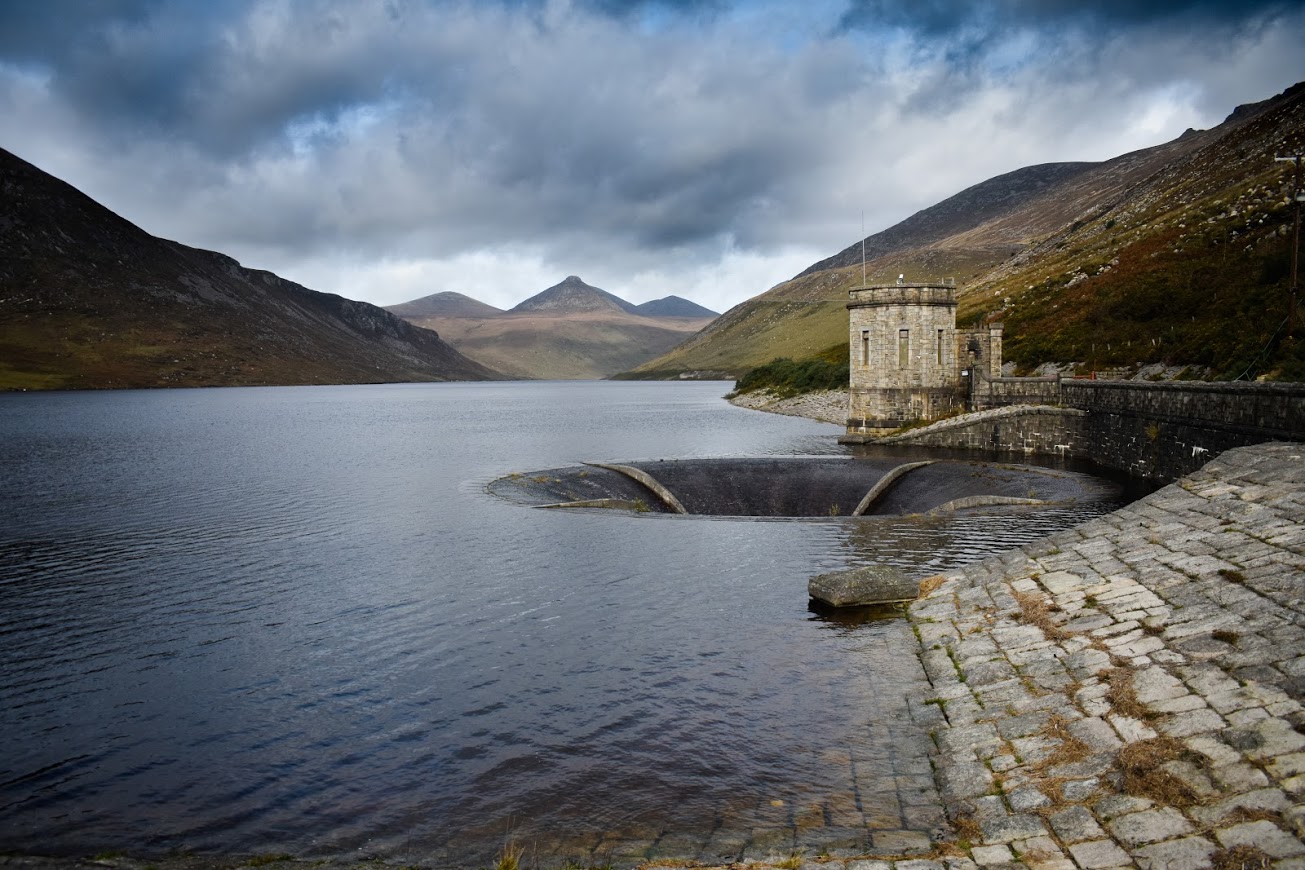
Based on the edge of the Western Mournes, this gentler option offers stunning mountain scenery without requiring a summit ascent.
Starting from the Silent Valley car park and visitor facilities, the route follows well-maintained paths around the reservoir, with the imposing stone dam providing a dramatic focal point.
The dam contrasts beautifully with surrounding grazing land, while the encircling peaks create a natural amphitheatre.
Though less challenging than the other routes listed, this walk still involves elevation changes and exposes you to mountain weather.
It’s perfect for shorter February afternoons when daylight is precious, and the cafe at the car park provides a welcome refuge afterward.
Late winter in the Mournes demands proper preparation.
Daylight is limited – roughly 8am to 5:30pm in February – so start early and carry a headtorch.
Weather can change rapidly; pack waterproofs, warm layers, hat, and gloves even if conditions look promising. Navigation tools (map, compass, and GPS device) are essential, as mist can descend quickly. Microspikes or crampons may be necessary if paths are icy.
Always check the mountain weather forecast before setting out and don’t hesitate to turn back if conditions deteriorate. Tell someone your route and expected return time.
The Mournes in late winter reward those willing to meet them on their own terms. With proper preparation and respect for the conditions, these five routes offer awesome experiences when the mountains are at their most elemental and beautiful.
Feature image cred: Paddy Higgins
 Belfast,Photography
5 scenic walks around Lisburn
 Mourne Mountains
Bearnagh: Chased the sunset, caught the rain
 Mourne Mountains
Camping in the High Mournes
 Fermanagh and Tyrone
Cuilcagh: Stairway to Heaven
 Features
Every Game of Thrones Location in Northern Ireland
 Mourne Mountains
Hen and Cock Mountains
 Mourne Mountains
Leganabrachan, Millstone and Thomas: Donard’s Seaside Bodyguards
 Mourne Mountains
Percy Bysshe and Cove Caves